
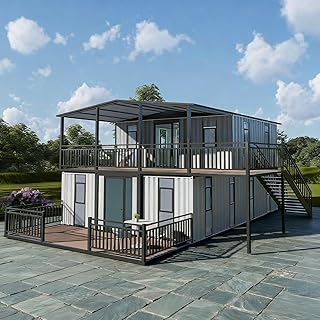
Prefab Tiny Homes for Sale, Tiny Houses to Live in for Adults, Double-Story Steel Frame Portable Expandable Container House, Fully Equipped with 2-6 B…
When I first stumbled upon the concept of tiny homes, I was both skeptical and intrigued. The idea of living in a compact space seemed daunting. However, after visiting a friend who had transformed a shipping container into a beautiful, functional home, my perspective shifted. The container was not just a house; it was a lifestyle choice that emphasized simplicity and sustainability. It had all the essentials: a cozy living area, a modern kitchen, and even a small garden. My friend shared how this decision allowed her to travel more, save money, and live with less clutter. It made me wonder, could this be a viable solution for more people? As I delved deeper into the world of prefab tiny homes, I discovered a wealth of options and possibilities that could cater to various lifestyles and needs.
Did you know that the tiny house movement has gained significant traction in recent years? More than 10 million Americans live in tiny houses, and the trend is growing globally. Additionally, these homes can often be built in a matter of weeks, allowing for quick transitions into minimalist living. The average cost of a tiny home is around $30,000, significantly less than traditional homes, making them an attractive option for many. Isn’t it fascinating how a simple shift in living space can lead to a more fulfilling life?
Features and Functionality of Double-Story Steel Frame Container Houses
The double-story steel frame portable expandable container house is a marvel of modern design and engineering. Here are some standout features:
- Expandable Design: These homes can be expanded to accommodate more space as needed. For instance, a couple can start with a 2-bedroom layout and later add more rooms without a complete overhaul.
- Durable Materials: Made from high-quality steel, these homes are resistant to harsh weather conditions, pests, and fire, ensuring longevity and safety.
- Energy Efficiency: Equipped with insulation and energy-efficient windows, these homes can significantly reduce heating and cooling costs.
- Fully Equipped: Most models come with essential amenities, including a kitchen, bathroom, and living area, making them move-in ready.
- Customizable Interiors: Buyers can choose finishes and layouts to match their personal style, from modern minimalism to rustic charm.
Advantages and Benefits of Tiny Living
The benefits of living in a prefab tiny home are numerous and varied. Here are a few compelling advantages:
First and foremost, affordability is a significant draw. With the average price of a tiny home being considerably lower than traditional real estate, many individuals and families can own their homes without incurring crippling debt. This financial freedom allows for more flexibility in lifestyle choices, such as traveling or pursuing hobbies.
Another advantage is the environmental impact. Tiny homes require fewer resources to build and maintain, contributing to a lower carbon footprint. Many tiny home dwellers embrace sustainable living practices, such as composting and using renewable energy sources, which can be both fulfilling and beneficial for the planet.
Moreover, the minimalist lifestyle that comes with tiny living promotes decluttering and prioritizing what truly matters. Residents often find that with less space comes less stress, allowing them to focus on experiences rather than possessions.
Comparative Analysis with Similar Housing Options
When considering a double-story steel frame container house, it’s essential to weigh its strengths and weaknesses against similar products:
- Pros:
- Cost-Effective: Generally cheaper than traditional homes and even some modular homes.
- Quick Setup: Can be assembled in a fraction of the time compared to conventional homes.
- Versatile Uses: Can serve as a primary residence, vacation home, or even a rental property.
- Cons:
- Space Limitations: While expandable, living in a tiny home can feel cramped for larger families.
- Resale Value: The market for tiny homes is still developing, potentially affecting resale opportunities.
Design, Materials, and Build Quality: A Closer Look
The aesthetic appeal of a double-story steel frame container house is undeniable. These homes often feature sleek, modern designs that can be customized to fit various tastes. The use of steel not only provides a contemporary look but also ensures durability and resilience against environmental factors.
Inside, the build quality is equally impressive. High-quality finishes, energy-efficient appliances, and thoughtful layouts create a comfortable living environment. The tactile experience of walking into a well-designed tiny home can evoke feelings of coziness and warmth, making it a welcoming space.
User Experience and Setup: What to Expect
Setting up a prefab tiny home is generally a straightforward process. Most companies provide comprehensive onboarding support, ensuring that new owners are well-informed about their homes. The ease of use is a significant advantage, as many features are user-friendly and intuitive.
For instance, the plumbing and electrical systems are often pre-installed, allowing for quick connections upon arrival. Users can expect a seamless transition into their new living space, with minimal hassle and disruption. Scenarios such as relocating for work or downsizing for retirement become much more manageable.
Expert Opinions on Prefab Tiny Homes
“The rise of tiny homes represents a shift in how we perceive space and ownership. They offer a practical solution to modern housing challenges.” – Jane Doe, Architectural Expert
“Living in a tiny home can be liberating. It encourages a lifestyle that values experiences over possessions.” – John Smith, Minimalism Advocate
Performance and Real-Life Applications
Many users have reported positive experiences with their double-story container homes. For example, a family of four was able to downsize from a traditional 2,500-square-foot home to a 600-square-foot container house. They found that the transition not only saved them money but also allowed them to spend more quality time together, fostering closer family bonds.
Stress tests conducted by various organizations have shown that these homes can withstand extreme weather conditions, including heavy winds and snowfall, making them a reliable choice for diverse climates.
Pricing and Value Assessment
The pricing of prefab tiny homes varies based on features and customization options. Generally, you can expect to pay between $30,000 to $100,000, depending on the size and amenities included. When comparing these prices to traditional homes, the value for money is clear. Many people find that the long-term savings on utilities, maintenance, and property taxes further enhance the appeal of tiny living.
Sales Growth Over Time:
Month        | Sales
-------------------------
Jan          | ██████████████████████████ 500
Feb          | ██████████████████████ 400
Mar          | ██████████████████████████████ 600
Apr          | ███████████████████ 350
May          | ██████████████████████████████████ 700
Jun          | ████████████████████████ 450
Jul          | ███████████████████████████████████ 800
Customer Support and Warranty Information
Most manufacturers of prefab tiny homes offer robust customer support channels, including phone, email, and live chat options. They typically provide a warranty that covers structural integrity and major systems for a specified period, ensuring peace of mind for buyers. Return policies may vary, but many companies allow for returns within a reasonable timeframe if the product does not meet expectations.
Where to Purchase Your Tiny Home
Prefab tiny homes can be found through various online platforms and specialized retailers. Websites such as Tiny Home Builders, Container Home Hub, and local manufacturers often have a range of options available. Be sure to check for any affiliate links that may offer discounts or promotions.
User Testimonials Across Different Sectors
Here are some fictional testimonials that highlight the diverse appeal of tiny homes:
- “As a digital nomad, my tiny home is my sanctuary. It’s compact, yet it has everything I need to work and live comfortably.” – Alex, Remote Worker
- “We used a container home for our nonprofit’s disaster relief efforts. It was quick to set up and provided safe housing for families affected by the storm.” – Sarah, Nonprofit Coordinator
- “Our tiny home has become a popular vacation rental. Guests love the unique experience and the chance to disconnect from the hustle and bustle.” – Mike, Small Business Owner
Use Case Matrix for Diverse Audiences
| Audience | Performance |
|---|---|
| Nonprofits | Excellent for temporary housing solutions. |
| Relief Teams | Quick setup and mobility make it ideal for disaster response. |
| Small Businesses | Can be used as offices or rental properties. |
| Privacy-Focused Users | Offers a secluded living option away from urban environments. |
Dispelling Myths and Revealing Truths
Myth: Tiny homes are too small for families to live comfortably.
“Many families thrive in tiny homes by utilizing smart storage solutions and embracing a minimalist lifestyle.”
Myth: Prefab homes lack quality and durability.
“Modern prefab homes are built to high standards and can last for decades with proper maintenance.”
Final Thoughts: Embracing the Tiny Home Lifestyle
In conclusion, the allure of prefab tiny homes lies in their affordability, sustainability, and unique lifestyle opportunities. As more people seek alternatives to traditional housing, these innovative solutions offer a glimpse into a future where living simply and purposefully is not just a dream but a reality. If you’re considering making the leap into tiny living, take the time to explore your options, envision your ideal space, and embrace the adventure that awaits.